Yes, Canadian greenhouse growers can often combine utility lighting rebates with other funding sources, but only within the stacking limits each program sets. Most programs allow combined support from provincial incentives, federal or provincial agriculture grants, and financing, as long as total public funding stays under a defined share of project cost and each application is disclosed to the others.
Eligibility depends on the province, the utility, and the program’s timing rules. The sections below cover how stacking works, which sources pair well with rebates, and how growers can protect their eligibility for horticultural LED lighting incentives.
What stacking rules limit combined funding for greenhouse lighting?
Stacking rules cap the total government and utility support a single project can receive, typically as a percentage of eligible project costs. Many programs also require growers to disclose every other funding source, and some reduce or reject a rebate if combined support exceeds the cap.
These stacking provisions in rebate programs vary widely. A utility may allow combination with provincial grants but exclude federal money, while an agriculture grant may count a utility rebate toward its own cap. Common rule types include:
- Percentage caps: total public funding cannot exceed a stated share of eligible costs.
- Disclosure requirements: applicants must list all other incentives requested or received.
- Cost-offset rules: a rebate may be deducted from the eligible cost base before a grant is calculated.
- Exclusions: some programs bar specific funding sources from being combined at all.
Always read the current program terms for your province, because rules and budgets change from year to year. This applies to 2026 intakes as much as any earlier year.
Which funding sources can growers pair with utility rebates?
Growers can commonly pair utility rebates with provincial agriculture grants, federal agricultural or clean technology programs, energy efficiency incentives, and financing such as low-interest loans or leasing. Whether a specific pairing is allowed depends on each program’s stacking terms, so confirm every combination in writing before committing to a purchase.
For greenhouse energy efficiency funding in Canada, the main categories are:
- Utility and energy efficiency programs: prescriptive or custom rebates for qualifying LED grow lights, usually tied to energy savings.
- Provincial agriculture programs: cost-share grants for on-farm technology, productivity, or sustainability upgrades.
- Federal programs: agricultural and clean technology initiatives that support energy efficiency or emissions reduction on farms.
- Financing: bank loans, agricultural lenders, and equipment leasing, which are generally not counted as grants and rarely trigger stacking limits.
Financing is the most flexible layer. Because a loan or lease is not public funding, it usually fills the gap left after rebates and grants, which makes greenhouse lighting financing in Canada a practical complement to incentives.
How does project sequencing affect rebate and grant eligibility?
Sequencing matters because many programs require pre-approval before purchase or installation. Buying fixtures, signing a contract, or starting installation before approval can disqualify the project. Growers should apply to each program in the order its rules require and secure written approval before any commitment.
A reliable sequence looks like this:
- Map every program you may qualify for and note each deadline and budget window.
- Submit applications that require pre-approval before ordering equipment.
- Wait for written confirmation of the approved amount and conditions.
- Place orders and schedule installation within the approved project period.
- Submit final claims and proof of completion for each program.
Timing also interacts with the cultivation calendar. Lighting retrofits often fit best between crop cycles, so approval lead times should be built into planning well ahead of the season.

Do LED fixture specifications determine rebate eligibility?
Yes. Most utility programs set technical requirements for qualifying fixtures, such as listing on a recognized product list, minimum efficacy (often measured in micromoles per joule), safety certification, and sometimes dimming or control capability. Fixtures that fail these criteria may be ineligible, regardless of how well they perform in the crop.
Typical checks include:
- Efficacy thresholds: the fixture must meet a minimum photon efficacy.
- Certification: recognized electrical safety approval for use in Canada.
- Qualified product listing: some programs only accept fixtures on an approved list.
- Controls: dimming and scheduling capability may be required or rewarded.
Specifications also affect which program tier applies. A light plan built around crop needs, such as those of tomato, cucumber, or lettuce, should still be verified against program criteria so that agronomic goals and eligibility align rather than compete.
What documentation do growers need for multiple applications?
Growers typically need quotes or invoices, fixture datasheets and certifications, a lighting layout or design, baseline and projected energy use, proof of business status, and a record of all other funding applied for. Keeping one organized file reduces errors and speeds up each separate application.
A practical documentation checklist:
- Itemized quotes and final invoices with fixture models and quantities
- Product datasheets, efficacy data, and safety certification
- Existing lighting inventory and baseline energy consumption
- Project description, timeline, and installation proof such as photos
- A funding register listing every program, amount requested, and approval status
Consistency is critical. Project costs, scope, and dates should match across every application, because discrepancies can delay approvals or raise stacking compliance questions.
Should growers use an energy advisor or lighting partner?
Yes, for most commercial projects. An energy advisor helps identify programs and manage applications, while a lighting partner ensures the fixture selection, layout, and specifications meet program criteria and crop needs. Using both reduces the risk of ineligible equipment, missed deadlines, and funding conflicts.
The two roles complement each other. Advisors understand program administration and stacking rules, while a specialist lighting supplier understands photoperiod, light spectrum, and intensity for the crop. Larger projects, multi-site retrofits, and new builds especially benefit from this coordination, since errors at the specification stage can be costly to correct after approval.
How Dutch Lighting Innovations Helps with Greenhouse Lighting Funding
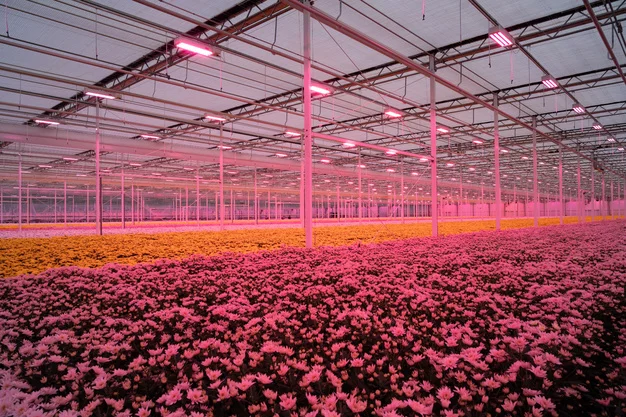
Dutch Lighting Innovations (DLI) supports commercial growers by aligning crop-specific lighting design with the technical requirements that funding programs expect. Our tailored lighting solutions are built around your crop, greenhouse, and operational goals, so efficiency and eligibility are considered from the first design step.
- Crop-specific design: lighting plans for tomato, cucumber, and lettuce that maximize performance per square meter.
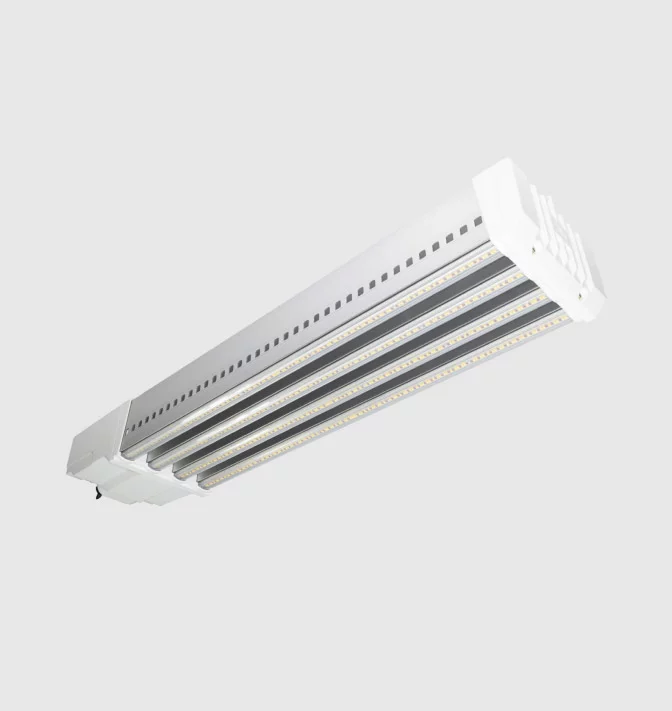
- Specification support: fixture data and documentation to help you meet program criteria. Explore our LED lighting products for details.
- Efficiency focus: energy-efficient systems that support the savings calculations behind rebate applications.
- Long-term partnership: ongoing involvement and optimization throughout the growing season, backed by direct, personal communication.
- Proven results: see how this works in practice in our Red Harvest project.
Planning a lighting project in Canada? Contact our team to discuss your crop, your timeline, and how to structure a lighting plan that fits your funding strategy.