Yes, in many programs greenhouse lighting controls can qualify for incentives separately from LED fixtures, provided they are listed as a standalone measure in the program’s eligible equipment list. Eligibility depends on the program, the region, and whether the controls deliver measurable, documented energy savings.
Rules differ widely between Canada, the United States, and Scandinavia, so a grower should confirm requirements before purchasing anything. The sections below cover which programs treat controls as standalone measures, which control types qualify, how existing fixtures affect eligibility, what paperwork is needed, and where claims go wrong.
Which incentive programs treat lighting controls as standalone measures?
Programs that treat controls as standalone measures are typically utility-run prescriptive or custom rebate schemes and government agricultural energy programs. These list controls separately from fixtures, which lets a grower claim support for dimming, scheduling, or sensor equipment even when no new luminaires are purchased.
In practice, you will encounter three broad categories:
- Utility prescriptive rebates: Fixed amounts per control point, per fixture controlled, or per kilowatt reduced. Many North American utilities publish separate line items for lighting controls.
- Utility custom or performance-based programs: Incentives calculated from verified or modeled energy savings. Controls often qualify here because savings from dimming and scheduling can be quantified.
- Government and regional energy subsidies: Agricultural efficiency or tax-based schemes, including those available to commercial greenhouse operators in Canadian provinces, US states, and Nordic countries.
Program names, budgets, and rules change every year, so always check the current 2026 program guide or speak with the program administrator. Some programs bundle controls with fixtures and only pay when both are installed together, which is why reading the eligibility language matters before you commit to a purchase order.
What types of greenhouse lighting controls typically qualify for incentives?
Controls that reduce energy use through automation usually qualify. This includes dimming systems, scheduling and time-based controllers, daylight-responsive controls, and networked greenhouse climate integrations that adjust light output to crop needs. Simple manual on/off switches rarely qualify because they do not produce verifiable savings.
Common qualifying categories include:
- Dimming and scheduling controls: Programmable systems that ramp intensity up or down across the day and season, matching light to crop stage.
- Daylight harvesting sensors: Light sensors that reduce supplemental output when natural radiation is sufficient. This matters especially in Scandinavian and northern Canadian greenhouses, where seasonal swings in natural light are large.
- Integrated climate and lighting control: Systems that coordinate lighting with screens, heating, and CO2 dosing to avoid wasted energy.
- Zone controls: Independent control of compartments, so tomato, cucumber, and lettuce sections receive different light recipes and photoperiods.
Crop strategy shapes which controls pay off. Tomato and cucumber growers running long cultivation seasons often benefit from dimming profiles that follow plant load and weather, while lettuce operations may gain more from precise photoperiod scheduling. Programs generally favor equipment that demonstrates this kind of adjustable, measurable energy reduction.
Can controls qualify if the LED fixtures are not new?
Often yes, but it depends on the program. Some schemes accept controls retrofitted onto existing LED fixtures, while others require that controls be installed with new or qualifying luminaires. Compatibility with the installed fixtures and documented energy savings are the deciding factors.
If your fixtures are already LED and dimmable, a controls-only upgrade can be a strong candidate for a standalone claim, since the savings come entirely from better operation rather than from replacing lamps. Programs that evaluate custom projects tend to be more open to this scenario than strict prescriptive lists.
Check these points before applying:
- Confirm the existing fixtures support the required dimming protocol, such as 0 to 10 V or a digital interface.
- Ask whether the program defines the controls measure as a retrofit, an add-on, or part of a new installation.
- Verify whether the program excludes systems installed before the application date.
Never buy or install equipment before the program confirms eligibility in writing. Many programs only reimburse projects that received pre-approval.

What documentation is needed to claim incentives for controls?
Most programs require a pre-approval application, itemized quotes and invoices, technical specifications, a description of the control strategy, proof of installation, and evidence of expected or measured energy savings. Missing any of these items is the most common reason for delays.
A complete claim package usually contains:
- Completed application form with facility details and utility account numbers
- Itemized invoices that list controls separately from fixtures and installation labor
- Manufacturer data sheets showing model numbers, certifications, and control capabilities
- A control sequence description, such as dimming schedules and sensor setpoints
- Baseline energy consumption and calculated or metered savings
- Commissioning report or photos confirming the system works as designed
- Proof of payment and signed program agreements
Because controls savings come from how the system is operated, programs often value trend data or logged settings. Keep configuration records and export control logs after commissioning, as an auditor may request them months later.
What mistakes cause control incentive claims to be rejected?
The most frequent causes of rejection are purchasing equipment before pre-approval, submitting invoices that bundle controls with fixtures, choosing non-qualifying products, and failing to document energy savings. Late submissions and incomplete paperwork also lead to denied or reduced payments.
Watch for these specific pitfalls:
- Starting before approval: Installing equipment ahead of written confirmation can void eligibility entirely.
- Bundled invoicing: If controls are not itemized, the program cannot verify the standalone measure.
- Non-listed products: Some programs require specific certifications or approved product lists.
- Weak savings evidence: Claims without a baseline or a clear control strategy are difficult to approve.
- Missed deadlines: Applications and post-installation paperwork carry strict time limits.
- Disabled features: If an inspection shows dimming or scheduling is not actually in use, the claim can be clawed back.
A short pre-application call with the program administrator, combined with clean documentation, prevents most of these problems.
How DLI Helps with Greenhouse Lighting Control Incentives
At Dutch Lighting Innovations, we design crop-specific lighting systems in which the controls are a deliberate part of the cultivation strategy, not an afterthought. That makes it easier to document the energy and performance case that incentive programs look for.
- Crop-specific control strategies: Dimming and scheduling profiles built around tomato, cucumber, or lettuce cultivation, with tailored configurations under our Tailored Lighting Solutions approach.
- Clear technical documentation: Specifications and control sequences you can attach to an application.
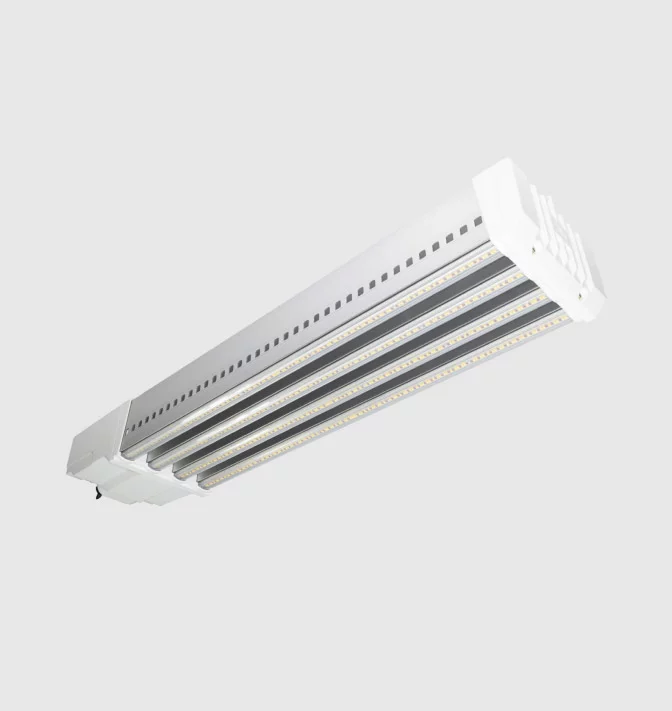
- Compatible, dimmable hardware: Explore our LED lighting products to see which fixtures support advanced control.
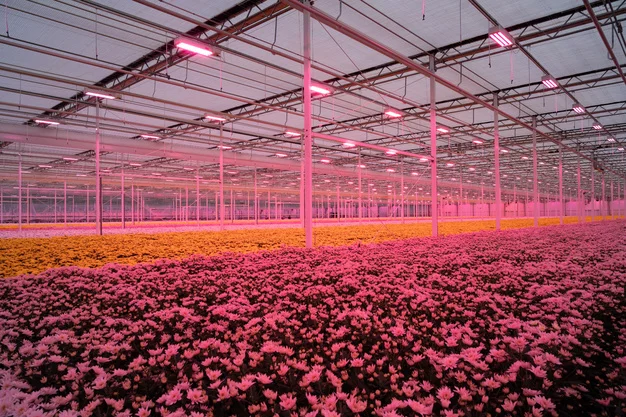
- Proven results: See how optimized lighting performs in practice in our Red Harvest project.
- Ongoing optimization: We stay involved through the growing season to fine-tune settings and performance.
Planning a controls upgrade or a new lighting installation? Contact our team to discuss your crop, your region, and how to structure your project for incentive eligibility.