Greenhouse growers can find horticultural lighting rebates by checking their electric utility’s business energy efficiency pages, searching the utility’s custom or prescriptive incentive programs, and contacting a utility account representative directly. Because most US utilities do not publish a dedicated “grow light” rebate, the incentive usually sits inside a broader commercial lighting or agricultural program.
Availability, rebate amounts, and rules vary by utility, state, and year, so confirming current terms before purchasing any fixtures is essential. The sections below explain which programs apply, where to look, what utilities require, and how to strengthen an application in 2026.
Which utility rebate program types apply to greenhouse lighting?
Greenhouse lighting rebates typically fall under three program types: prescriptive rebates (fixed amounts for qualifying equipment), custom incentives (payments based on calculated energy savings), and dedicated agricultural efficiency programs. Which one applies depends on the fixture type, the project size, and how the utility classifies horticultural lighting.
- Prescriptive rebates: A set payment per fixture or per watt reduced, usually for products on a qualified list. These are the fastest to process but often limited to listed products.
- Custom incentives: Payments based on the verified kWh saved by replacing, for example, high-pressure sodium (HPS) fixtures with LED. These suit larger or more specialized greenhouse projects.
- Agricultural programs: Some utilities run specific programs for farms and greenhouses that explicitly list horticultural lighting, controls, and other efficiency measures.
Many utilities also offer separate incentives for lighting controls, dimming, and other energy measures. These can sometimes be combined with a fixture rebate within one project.
Where do utilities publish horticultural lighting rebate details?
Utilities publish rebate details in the business or commercial section of their website, usually under “energy efficiency,” “rebates and incentives,” or “agriculture.” Program manuals, application forms, and qualified product lists are typically available as downloadable documents on these pages.
To locate them efficiently, work through these steps:
- Search the utility’s website for terms such as “horticultural lighting,” “agricultural lighting,” “greenhouse,” and “custom incentive.”
- Download the current program manual and look for lighting measures that mention agriculture, plant growth, or controlled environment agriculture.
- Check the qualified products list, since many utilities require fixtures to appear on the DesignLights Consortium (DLC) Horticultural Lighting Qualified Products List.
- Contact the utility’s business energy advisor or key account manager, who can confirm whether a program is active and funded.
- Review your state’s database of incentives, such as the DSIRE database of state, local, and utility incentives, to find programs you may have missed.
Rebate programs often run on annual budgets, so a program listed online may be paused or fully subscribed. A short phone call or email confirms what is actually available.
What eligibility requirements do horticultural lighting rebates usually have?
Horticultural lighting rebates usually require that the grower is a commercial customer of the utility, that the fixtures are new LED products meeting a performance standard, and that the project replaces or improves existing lighting. Many programs also set minimum efficacy levels and require professional installation.
Common requirements include:
- Customer status: An active commercial or agricultural account with the utility providing the rebate.
- Product qualification: Fixtures listed on the DLC Horticultural Lighting list or meeting a minimum photosynthetic photon efficacy (PPE) threshold.
- Project type: Retrofits of HPS or other legacy lighting are widely supported. New construction and expansions may follow different rules or different incentive levels.
- Documentation: Invoices, product specification sheets, and sometimes proof of installation or commissioning.
- Cap and timing limits: Maximum incentive per customer, per site, or per year, plus program deadlines.
Always read the fine print on how the utility defines a qualifying greenhouse or crop operation, since definitions can differ between programs.
Do growers need pre-approval before buying LED fixtures?
In most cases, yes. Many utilities require pre-approval or a reservation of funds before the fixtures are purchased or installed, especially for custom incentives. Buying first can disqualify the project, so growers should confirm the utility’s process before signing any purchase order.
Pre-approval typically involves submitting a pre-application with the proposed fixtures, quantities, existing lighting details, and estimated savings. The utility may inspect the site or review the project before issuing a commitment letter. Prescriptive programs are sometimes more flexible and allow post-purchase applications, but they usually still impose a deadline after installation.
Timing matters for cultivation planning too. Approval can take several weeks, so growers who want new lighting in place before a crop cycle or the autumn and winter supplemental lighting season should start the process early.

What if the local utility offers no horticultural lighting rebate?
If the local utility offers no horticultural lighting rebate, growers can look at other funding routes: general commercial lighting rebates, state energy office programs, federal incentives, and agricultural grants. A utility without a dedicated program may still support LED retrofits through a custom commercial program.
Options worth investigating:
- Custom commercial incentives: Ask whether the utility will evaluate a greenhouse lighting project on a case-by-case basis.
- State and regional programs: State energy offices, departments of agriculture, and regional efficiency organizations sometimes fund farm energy projects.
- Federal support: USDA programs, such as the Rural Energy for America Program (REAP), have supported energy efficiency improvements for agricultural producers. Eligibility and funding vary by year, so confirm current terms.
- Tax incentives: Depreciation rules and energy-related tax provisions may improve project economics. Consult a tax advisor for the current situation.
- Utility feedback: Tell the utility there is local demand. Programs are often expanded when growers ask for them.
Even without any incentive, the energy savings from efficient LED lighting can justify the investment, so the business case should be calculated for both scenarios.
How can growers make rebate applications stronger and faster?
Growers strengthen rebate applications by preparing accurate documentation up front, choosing qualified products, and working with the utility from the start. Complete applications with clear energy savings calculations are approved faster and are less likely to be returned for corrections.
Practical steps include:
- Document the baseline: Record existing fixture types, wattage, quantities, and operating hours per season.
- Calculate expected savings: Show the projected kWh reduction based on the new lighting plan and the crop’s light requirements.
- Select qualified fixtures: Confirm DLC listing or other required certification before ordering.
- Keep records organized: Save quotes, invoices, specification sheets, and photos in one place.
- Build a relationship: Ask the utility’s account representative to review the plan before submission.
- Plan the timeline: Submit early and allow for approval, delivery, and installation lead times.
The lighting design itself also affects the application. A plan built around the actual crop, whether tomato, cucumber, or lettuce, produces more credible savings figures than a generic fixture swap.
How DLI Helps with Horticultural Lighting Rebates
Navigating utility rebates is easier with a lighting partner who understands both the technology and the cultivation. Dutch Lighting Innovations supports growers with crop-specific lighting solutions that are designed to deliver measurable energy efficiency, the kind of performance data that supports a strong incentive application.
Here is how DLI helps:
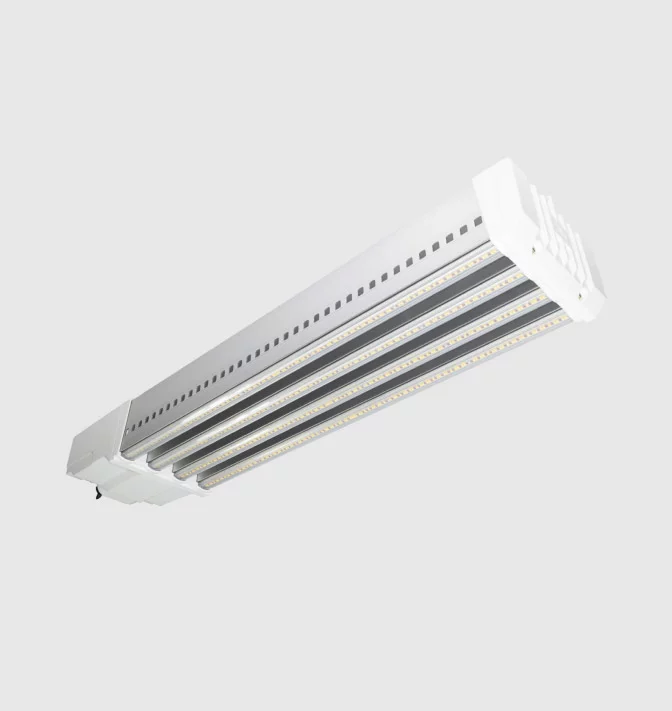
- Crop-specific lighting plans: Our LED lighting products and tailored lighting configurations are designed around your crop and cultivation strategy, giving you clear specifications and expected energy performance to include in applications.
- Documentation support: We provide the technical product information utilities commonly request, helping you prepare a complete submission.
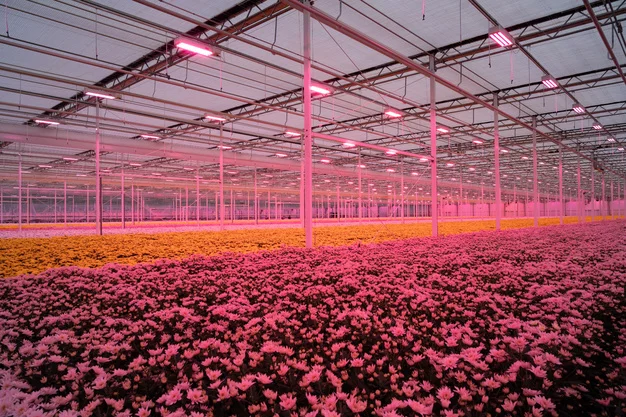
- Proven results: Projects such as Project Red Harvest show how crop-focused LED lighting performs in real greenhouse conditions.
- Long-term partnership: Our team stays involved throughout the growing season to optimize performance after installation.
- Independent, direct advice: You work directly with specialists who can answer questions quickly and adapt the plan to your operation.
Planning a lighting upgrade and want to make the most of available incentives? Contact our team to discuss your greenhouse, your crop, and the best lighting solution for your operation.