Greenhouse growers should account for dehumidification costs by adding the extra energy used for venting, heating and mechanical drying to the LED lighting calculation, then comparing the net result against the lighting savings. LED fixtures emit far less radiant heat than HPS, so less moisture is driven out of the crop and more climate control work shifts to dehumidification.
A fair greenhouse LED lighting evaluation therefore looks at the whole climate system, not only the electricity bill for the lamps. This is especially relevant for tomato, cucumber and lettuce growers in Canada, the US and Scandinavia, where cold outside air limits how much humid air can be vented. The questions below show how to build that full picture.
Why does switching to LED change greenhouse humidity levels?
LED lighting changes greenhouse humidity because LEDs emit much less radiant heat than HPS lamps. Cooler leaves transpire less, and there is less warmth to dry the air, so relative humidity often rises. Growers then need more venting, heating or mechanical dehumidification to keep the crop climate stable.
In LED vs HPS humidity comparisons, the key mechanism is the energy balance of the crop. HPS lamps release a large share of their input energy as heat, which warms leaves and the surrounding air, drives transpiration and lets the greenhouse shed moisture through ventilation. With LED, a larger share of the input energy becomes light and a smaller share becomes heat. The result is a different climate, not necessarily a worse one.
Two effects matter most:
- Lower leaf temperature: reduced transpiration means less moisture enters the air, but cooler surfaces and higher relative humidity increase condensation risk.
- Less passive drying: the greenhouse relies more on heating pipes, screens, ventilation or active dehumidification equipment.
Which dehumidification cost factors should be included in an LED comparison?
An LED comparison should include the electricity or gas used for extra heating during venting, the energy used by mechanical dehumidifiers or air handling units, ventilation and fan energy, screen management, and any equipment investment or maintenance. Crop quality risks from high humidity, such as disease pressure, should also be considered.
A practical checklist for total cost of ownership of horticultural LED includes:
- Heating energy for humidity control: in cold climates, venting humid air means reheating incoming air.
- Dehumidification equipment energy: electricity for closed or semi-closed systems, heat exchangers and drying units.
- Fan and air distribution energy: horizontal airflow fans and ventilation motors.
- Capital and maintenance costs: new or upgraded equipment, filters, service and replacement.
- Crop risk costs: botrytis, leaf mold or calcium-related disorders when humidity control falls short.
Excluding these items makes LED look cheaper or more expensive than it really is. Keep each cost in its own line so the comparison stays transparent.
How do you calculate the net energy impact of LED lighting?
Calculate the net energy impact by subtracting the added heating, dehumidification and ventilation energy from the electricity saved on lighting, then compare both scenarios over the same lighting hours and crop cycle. The remaining figure, expressed per square meter, shows the true greenhouse climate control cost difference.
A simple structure works well:
- Establish the baseline: measure last season’s lighting electricity, heating energy and dehumidification energy per square meter.
- Estimate the LED lighting energy: use the planned light intensity, photoperiod and fixture efficacy.
- Estimate the changed heat contribution: account for the lower heat output of LED compared with HPS in your setup.
- Model the extra climate control demand: include added heating and dehumidification at local energy prices.
- Add the yield and quality effects: include any measured or expected change in production per square meter.
Use your own metered data wherever possible. Generic assumptions hide the differences between greenhouses, so a site-specific calculation is far more reliable than a rule of thumb.
How do crop type and growing season affect dehumidification needs?
Crop type and season determine how much moisture the crop releases and how easily the greenhouse can shed it. Dense, high-transpiration crops like tomato and cucumber raise humidity loads, while lettuce behaves differently. Winter lighting in cold regions limits venting, which makes dehumidification a bigger share of total energy costs.
The effect varies by situation:
- Tomato: a large leaf area and long season mean humidity needs close attention, especially in winter assimilation lighting in Canada and Scandinavia.
- Cucumber: a high transpiration rate and sensitivity to disease make stable humidity especially important.
- Lettuce: compact canopies and shorter cycles change the moisture profile, but dense leaf surfaces still require careful airflow and humidity control.
Seasonality matters too. In mild or warm periods, outside air can be vented cheaply. In deep winter, venting means losing heat, so every percentage point of humidity control costs more. Evaluate LED lighting season by season rather than relying on a single annual average.
Can LED design choices reduce dehumidification costs?
Yes. Fixture efficacy, light distribution, dimming capability, spectrum and layout all influence how much extra humidity control a greenhouse needs. A well-matched LED design that fits the crop and the climate system can limit condensation risk and keep dehumidification costs under control.
Design choices worth reviewing:
- Dimming and control strategy: adjustable light levels let growers align lighting with crop demand and climate conditions.
- Light distribution: uniform light supports even crop activity and avoids humid pockets in the canopy.
- Combination with supplemental heat: since LED lighting contributes less heat, a thoughtful heating and airflow plan helps keep leaves active and the air dry.
- Interaction with screens and airflow: the lighting layout should not obstruct air movement.
Treat lighting and climate as one system. Greenhouses that plan them together generally avoid expensive retrofits later. Crop-specific configurations designed around the cultivation strategy make this integration easier.
When do dehumidification costs outweigh LED energy savings?
Dehumidification costs outweigh LED energy savings when added heating, drying and ventilation energy exceeds the electricity saved on lighting, and when the yield or quality gains cannot cover the difference. This is most likely in cold, humid conditions with limited venting, poor airflow or underpowered climate equipment.
Warning signs include:
- Persistently high humidity during lighting hours despite venting and screens.
- Rising disease pressure or crop quality issues linked to condensation.
- Energy prices that make heating and drying disproportionately expensive compared with electricity.
- Dehumidification equipment running near capacity without reaching humidity targets.
Even then, the answer is rarely to reject LED. It is more often to adjust the climate strategy, upgrade airflow or tune the lighting plan. A transparent calculation tells you whether the shortfall is structural or fixable.
How DLI Helps with Dehumidification Costs and LED Evaluation
At Dutch Lighting Innovations, we help professional growers evaluate LED lighting as part of the complete greenhouse climate, not as an isolated purchase. Our crop-specific approach considers humidity, energy use and cultivation goals together, supported by direct, personal collaboration throughout the growing season.
Here is what that looks like in practice:
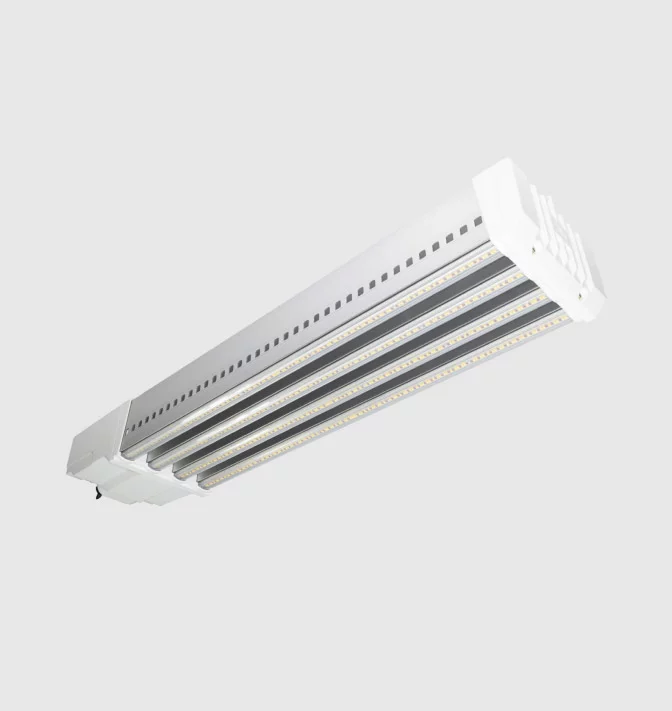
- Crop-specific lighting design: configurations built around your crop, such as tomato, cucumber or lettuce, and your cultivation strategy. Explore our LED lighting products.
- Net energy thinking: we help you weigh lighting savings against climate control demands for a realistic total cost of ownership.
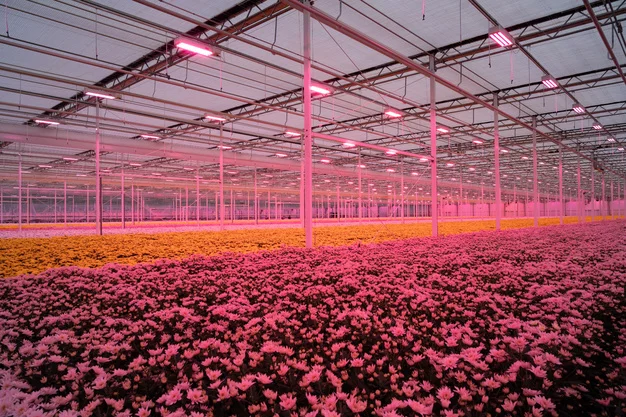
- Practical grower experience: see how we approach real cultivation results in our Red Harvest project.
- Season-long support: continuous involvement and performance optimization instead of a one-off delivery.
Planning a switch to LED or reviewing an existing setup? Contact our team to discuss your greenhouse, crop and climate conditions, and get a clear view of your expected net energy impact.