The DLC Horticultural Qualified Products List (HQPL) is the reference most North American utilities use to decide whether a grow light is eligible for a rebate. A fixture that appears on the list has passed independent testing for efficacy and safety, so utilities can approve it without running their own technical review. Without a listing, a rebate is far harder to secure.
For greenhouse growers in Canada, the United States, and increasingly Scandinavia, this makes the HQPL a practical gatekeeper for lighting budgets. The sections below explain how utilities apply the list, which thresholds matter, how to check a listing, and where applications typically go wrong.
How do utilities use the DLC list to approve rebates?
Utilities use the DLC HQPL as a pre-approved technical screen. If a fixture is on the list, the utility accepts that its efficacy and construction have been verified by a third party, so the application only needs to confirm model numbers, quantities, and installation details instead of re-testing performance.
This approach protects utility programs from funding underperforming products while keeping the approval process fast. Most programs follow a similar flow:
- The grower or contractor selects a fixture from the qualified list.
- The application references the exact manufacturer and model number.
- The utility cross-checks that model against the current HQPL.
- Rebate value is calculated, often per fixture or per kilowatt of connected load, and sometimes per square meter of canopy.
Program rules differ by region and provider. Some utilities pay a flat amount per fixture, while others calculate incentives from verified energy savings against the lighting being replaced. Always read the specific program manual for your utility, because the DLC listing is usually required but rarely the only condition.
What efficacy thresholds must a fixture meet to qualify?
A horticultural fixture must meet the DLC’s minimum photosynthetic photon efficacy (PPE) to be listed, expressed in micromoles of photons per joule (µmol/J). The threshold differs by fixture type and technical requirements version, and the DLC revises it periodically, so growers should always confirm the figure in the current policy document.
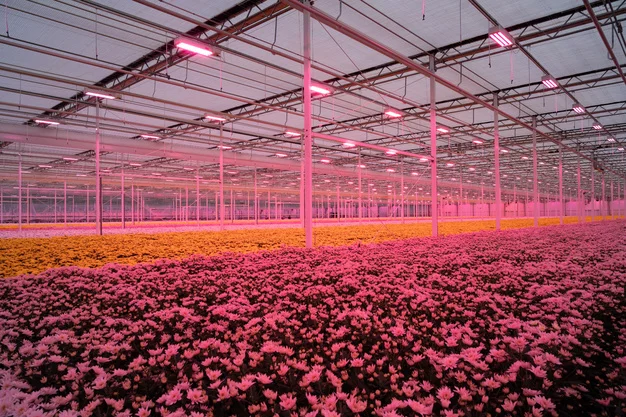
PPE matters because it measures how efficiently a fixture converts electrical energy into light that plants can use. A higher PPE means more usable light per kilowatt-hour, which directly lowers operating costs in greenhouses running supplemental lighting for long winter hours.
Beyond efficacy, listing typically also depends on:
- Verified photon flux and spectral data from accredited laboratory testing
- Electrical safety certification from a recognized body
- Reported lifetime and lumen (photon) maintenance claims
- Product documentation that matches what is actually sold
Some utilities set their own requirements on top of the DLC baseline, such as a higher minimum PPE for premium incentive tiers. A fixture that merely qualifies for the list may therefore earn a smaller rebate than a top performer.
How can growers verify a fixture’s DLC listing status?
Growers can verify a listing by searching the public DLC Qualified Products List on the DLC website, filtering by horticultural lighting, and entering the manufacturer name or exact model number. The entry shows the product’s qualification status, test data, and listing date, which should be saved for the rebate application.
A few verification habits prevent costly surprises:
- Match the full model number. Variants of the same fixture family can have different listing statuses, wattages, and spectra.
- Check the listing date. Utilities usually require the product to be listed at the time of purchase or application, depending on program rules.
- Save a dated screenshot or PDF of the listing as supporting documentation.
- Ask the supplier for written confirmation of the specific configuration being quoted, including driver and optic options.
Listings can change. A product may be updated, removed, or replaced by a newer version, so a fixture verified in the planning stage should be rechecked before the order and again before submitting paperwork.

Can a non-listed LED fixture still earn a rebate?
Sometimes, yes. Certain utilities run custom or customized incentive tracks that accept non-listed fixtures if the grower submits independent test reports and an energy savings calculation. These routes involve more paperwork and engineering review, and approval is not guaranteed.
Custom pathways tend to ask for:
- Third-party photometric and PPE test reports from an accredited laboratory
- Safety certification documents
- A baseline description of existing lighting and projected energy savings
- Pre-approval from the utility before purchase or installation
The key point is timing. Custom applications almost always require pre-approval, meaning a fixture bought first and submitted later is usually rejected. If a program has no custom track, a non-listed fixture is simply ineligible. Outside North America, including in many Scandinavian programs, incentives often rely on national energy efficiency criteria rather than the DLC list, so growers in those markets should check local rules instead of assuming DLC listing is the standard.
What mistakes cause DLC-based rebate applications to fail?
Most failed applications come from avoidable paperwork and timing errors, not from poor fixtures. The most common causes are ordering before pre-approval, submitting a model number that does not exactly match the listing, and missing required documents such as invoices or installation proof.
The recurring mistakes include:
- Purchasing before approval. Many programs void the rebate if equipment is bought or installed before the utility confirms eligibility.
- Model number mismatches. A small difference in suffix or wattage can point to an unlisted variant.
- Relying on an outdated listing. A product removed from the HQPL before the application date may no longer qualify.
- Ignoring program caps and deadlines. Incentive budgets can be exhausted early in the program year, and 2026 funding windows vary by utility.
- Incomplete documentation. Missing spec sheets, invoices, or site details cause delays or denials.
- Overlooking installation requirements. Some utilities require licensed installers or post-installation inspections.
A simple checklist, completed before any purchase order is signed, removes most of these risks. Confirm program eligibility, verify the listing, obtain pre-approval, and keep every document in one place.
How DLI Helps with DLC Rebate Eligibility
Navigating rebate rules on top of crop planning is a lot for a grower to carry alone. Dutch Lighting Innovations combines horticultural lighting expertise with practical project support, so fixture selection and incentive requirements are considered together from the start.
Here is what that looks like in practice:
- Crop-specific lighting plans for tomato, cucumber, and lettuce, designed around your cultivation strategy and energy goals.
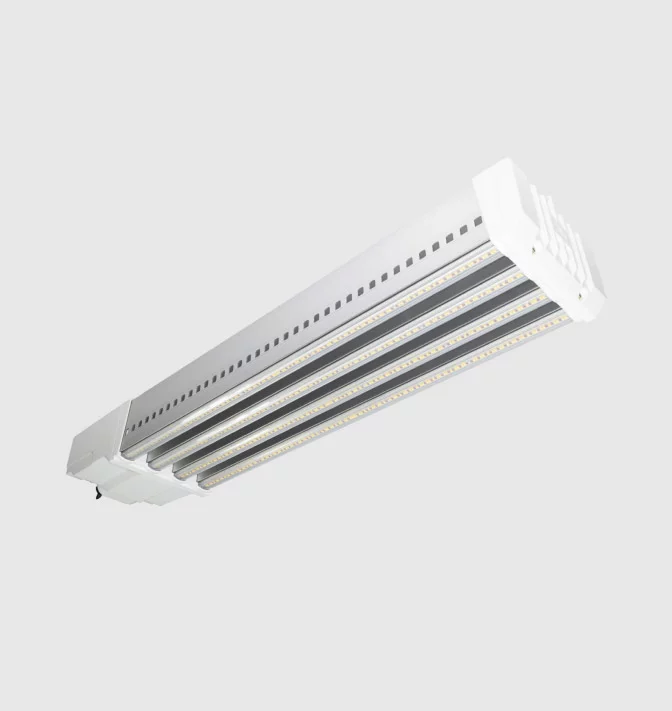
- Guidance on fixture selection from our horticultural LED product range, with attention to the efficacy and documentation that rebate programs expect.
- Help preparing technical documentation such as spec data and model details to support your application.
- Region-aware advice for growers in Canada, the United States, and Scandinavia, where incentive structures differ.
- Season-long performance follow-up, so the installed system keeps delivering the efficiency that justified the investment.
To see how this approach performs in a real greenhouse, read about Project Red Harvest. If you are planning a lighting upgrade and want to align it with available incentives, contact our team for a conversation about your crop, location, and energy targets.