Greenhouse lighting returns should be assessed on marketable yield because only graded, saleable produce generates revenue. Total crop weight counts every fruit, leaf and head, including those that fail grading, so it can overstate the benefit of extra light. Marketable yield per square meter ties lighting performance directly to income.
For commercial greenhouse growers of tomato, cucumber and lettuce in Canada, the US and Scandinavia, where winter light is scarce and electricity is a major cost, this distinction decides whether a lighting investment truly pays off. The sections below show how extra light can mislead, which quality factors matter, and how to calculate a realistic return.
How can extra light inflate weight without adding revenue?
Extra light can raise total crop weight through water uptake, oversized or soft fruit and faster leaf growth, none of which guarantees a higher grade. If added weight comes from produce that misses size, firmness or appearance specifications, the grower pays more for electricity but sells no additional kilograms at full price.
This happens in several ways. Plants driven hard with light but not balanced with climate, nutrition and crop load may produce bigger but looser tomatoes, watery cucumbers or lettuce heads with tipburn. Weight on the scale rises, yet packers downgrade or reject a share of it.
Timing matters too. Additional kilograms harvested in a period when market prices are low add less revenue than the same kilograms in a high-price winter window. A weight-based view treats every kilogram as equal, while the market does not.
Which quality factors turn total yield into marketable yield?
Marketable yield is the share of total harvest that passes crop quality grading and can be sold at contract or market price. The factors that decide this share are fruit or head size, firmness, color, shape, shelf life and freedom from defects such as blossom end rot, cracking or tipburn.
Key factors by crop include:
- Tomato: uniform color and size, firmness, truss quality, low incidence of cracking and green shoulders, and a shelf life that survives transport.
- Cucumber: straight shape, consistent length and diameter, dark green color, and limited bitterness or yellowing.
- Lettuce: compact head formation, target head weight, clean leaf edges without tipburn, and consistent harvest timing.
Light quantity, spectrum and distribution all influence these traits. Uneven light across the canopy, for example, creates variation in ripening and size, which pushes more produce into lower grades. Measuring the percentage of Class 1 produce alongside kilograms harvested reveals the true effect of a lighting setup.
How do you calculate lighting returns using marketable yield?
To calculate lighting returns, multiply the marketable yield gain per square meter by the average net selling price, then subtract the added operating costs and compare the result with the investment. Use graded, sold kilograms rather than harvested kilograms at every step.
A practical sequence:
- Establish a baseline: record marketable kilograms per square meter and grade distribution for the same crop and period without the new lighting, or use a comparable compartment.
- Measure the lit result: record marketable kilograms per square meter under the new lighting, using the same grading standards.
- Value the difference: multiply the marketable gain by the realized price, ideally per week to reflect seasonal price differences.
- Subtract added costs: include electricity, maintenance, extra labor for harvesting and packing, and any additional crop inputs.
- Compare with investment: divide the installed cost by the net annual gain to estimate payback time, or express it as annual return on investment.
Use realized prices from your own sales records rather than assumed averages, and run the calculation over at least a full season so that light, climate and market effects are captured.
What is the difference between yield-based and marketable-yield-based ROI?
Yield-based ROI values every harvested kilogram equally, while marketable-yield-based ROI values only the kilograms that pass grading, at the price they actually earn. The first shows what the crop produced; the second shows what the business earned from the lighting investment.
Yield-based ROI
This method is simple and quick, but it ignores rejects, downgrades, price timing and handling costs. It tends to look better than reality when extra light increases volume at the expense of quality, and it can hide a weak investment.
Marketable-yield-based ROI
This method follows the money. It accounts for the grade mix, price per class and seasonal price differences, and it exposes quality problems before they appear in the accounts. It requires better record keeping, but it supports sounder decisions on fixtures, intensity, spectrum and photoperiod.
For lenders, advisers and management teams comparing lighting options, the marketable approach also provides a fairer basis, since it makes different systems comparable on the same revenue logic.
How should growers factor energy use into marketable yield returns?
Growers should divide electricity consumption by marketable kilograms produced, giving energy use per sellable kilogram, and compare it with the revenue per kilogram. This links energy efficiency in the greenhouse to output that actually earns money, rather than to raw growth.
Useful metrics include:
- kWh per marketable kilogram: shows how efficiently electricity is converted into saleable produce.
- Marginal return of extra light: compares the additional marketable yield from the last increment of light with the cost of the additional energy.
- Peak versus off-peak cost: in markets with variable power pricing, running lights when electricity is cheaper can improve returns without reducing marketable yield.
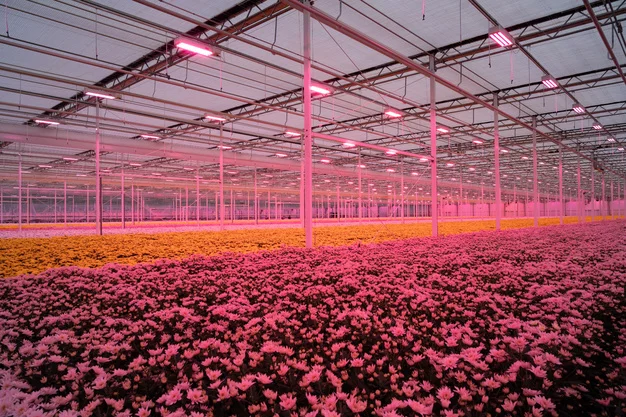
Light has diminishing returns. Beyond a certain intensity or daily light integral, each additional unit of energy adds less marketable yield, and quality may even decline. Finding that point for each crop, season and region protects margins. Efficient LED fixtures with good light distribution help, because they deliver more usable light per kWh and reduce heat load, while dimming and control strategies let growers match intensity to crop needs and electricity prices.

How DLI Helps with Greenhouse Lighting Returns
Dutch Lighting Innovations (DLI) develops horticultural LED lighting around the crop and the grower’s financial goal, not around fixture output alone. DLI’s tailored lighting solutions are configured for the crop, cultivation strategy and operational requirements of each greenhouse, so the light supports marketable yield and energy efficiency together.
In practice, DLI supports growers by:
- Designing crop-specific lighting plans for tomato, cucumber and lettuce that take quality and uniformity into account, not just total kilograms.
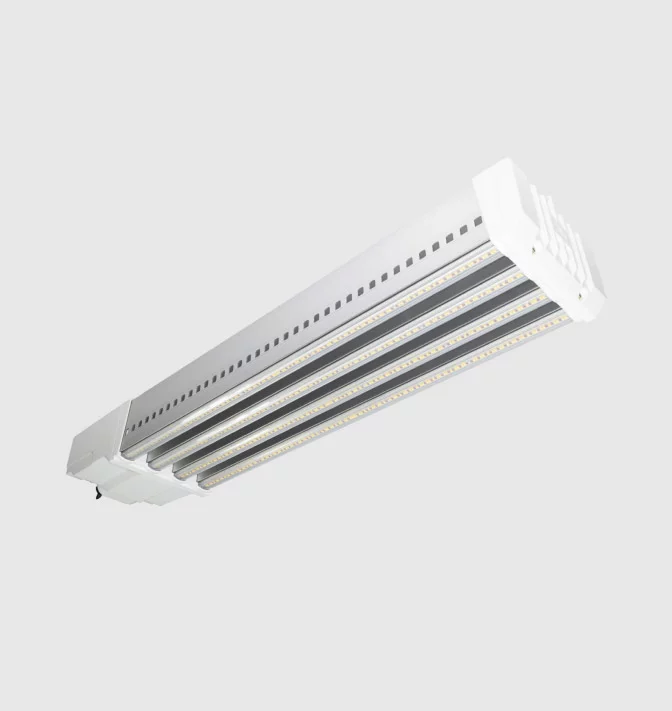
- Selecting from a range of horticultural LED fixtures to match intensity, spectrum and distribution to the cultivation system.
- Helping set up measurement of marketable yield per square meter and energy use per sellable kilogram, so returns can be judged on the right basis.
- Providing continuous involvement and performance optimization throughout the growing season, adjusting strategies as crop and market conditions change.
- Offering direct communication with independent specialists who understand both lighting technology and cultivation practice.
You can see how this approach works in practice in Project Red Harvest, a tomato cultivation project. If you want to assess the real return of lighting in your own greenhouse, contact the DLI team to discuss your crop, region and targets.